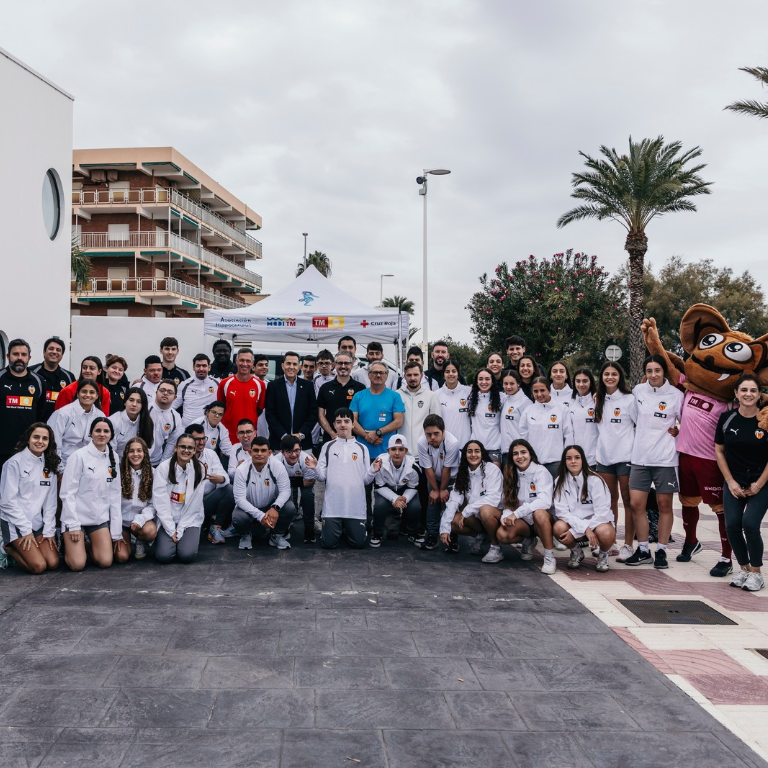
The initiative led by TM Real Estate Group brought together the Hippocampus Association, Valencia CF, the Valencia CF Foundation and Canet d’en Berenguer Town Council for a coastal clean-up event that resulted in the collection of 17.17 kilograms of waste.
Canet d’en Berenguer (Valencia), 8 November 2026. As sand was sifted through sieves, thousands of tiny plastic fragments measuring just a few millimetres were uncovered, fragments that often go unnoticed. More than 60 volunteers took part this Sunday in their removal on the beaches of Canet d’en Berenguer during a new Responsible Mediterranean activity day, the project launched by TM Real Estate Group in 2023 to help preserve the Mediterranean coastline.
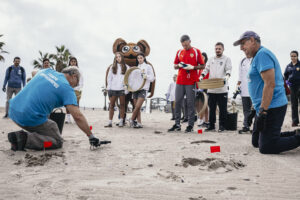
The activity was coordinated by the Hippocampus Association, which showed participants how to separate microplastics from the sand using sieves and filters. Metal detectors were also used to locate small buried waste items such as can ring pulls, hairpins and wires. In total, 17.17 kilograms of waste were collected. Throughout the activity, the association explained to volunteers and local residents where much of this waste comes from and what everyday habits can help prevent it from reaching the sea.
Members of Valencia CF Women’s Team and the club’s Inclusive Team, along with club staff and representatives of the Valencia CF Foundation, took part in the event, alongside Hippocampus volunteers, professionals from TM Real Estate Group and their families. The Canet d’en Berenguer Town Council provided logistical support and was responsible for removing and managing the collected waste.
More than 18 tonnes of waste removed and a breakthrough in the protection of the seahorse
During its first phase, between 2023 and 2025, Responsible Mediterranean removed more than 18,000 kilograms of waste and engaged 3,896 participants across 79 activities. Led by TM Real Estate Group in collaboration with the Spanish Red Cross and the Hippocampus Association, the project combines coastal clean-up initiatives with environmental education and scientific research.
One of its most significant achievements has been the study of populations of the long-snouted seahorse (Hippocampus guttulatus) in the Mar Menor. Research carried out by the Hippocampus Association as part of the project helped document the species’ decline and provided scientific evidence to strengthen its protection. In October 2026, Spain’s Ministry for the Ecological Transition and the Demographic Challenge included the species in the Spanish Catalogue of Threatened Species under the classification of “Vulnerable”.